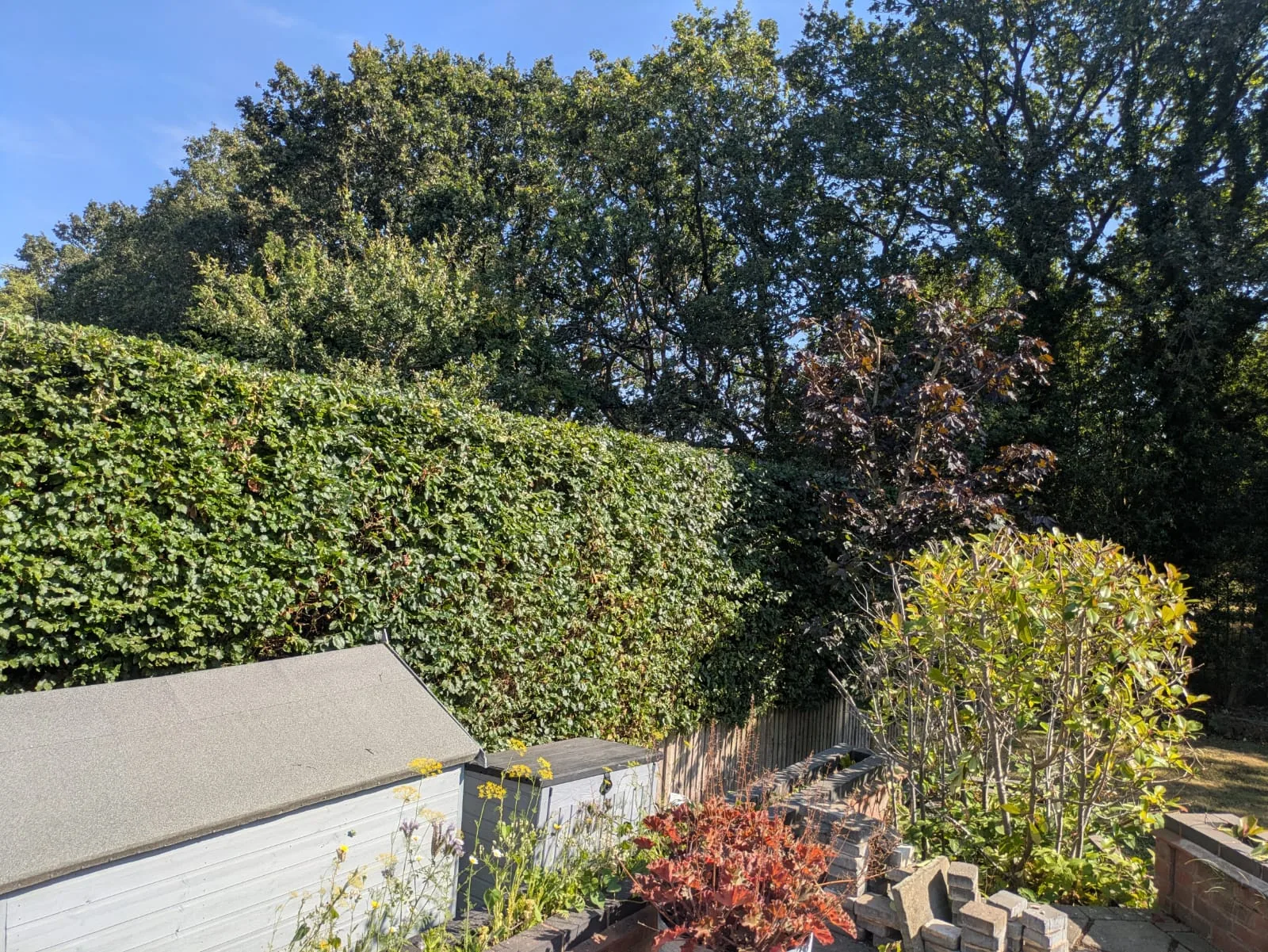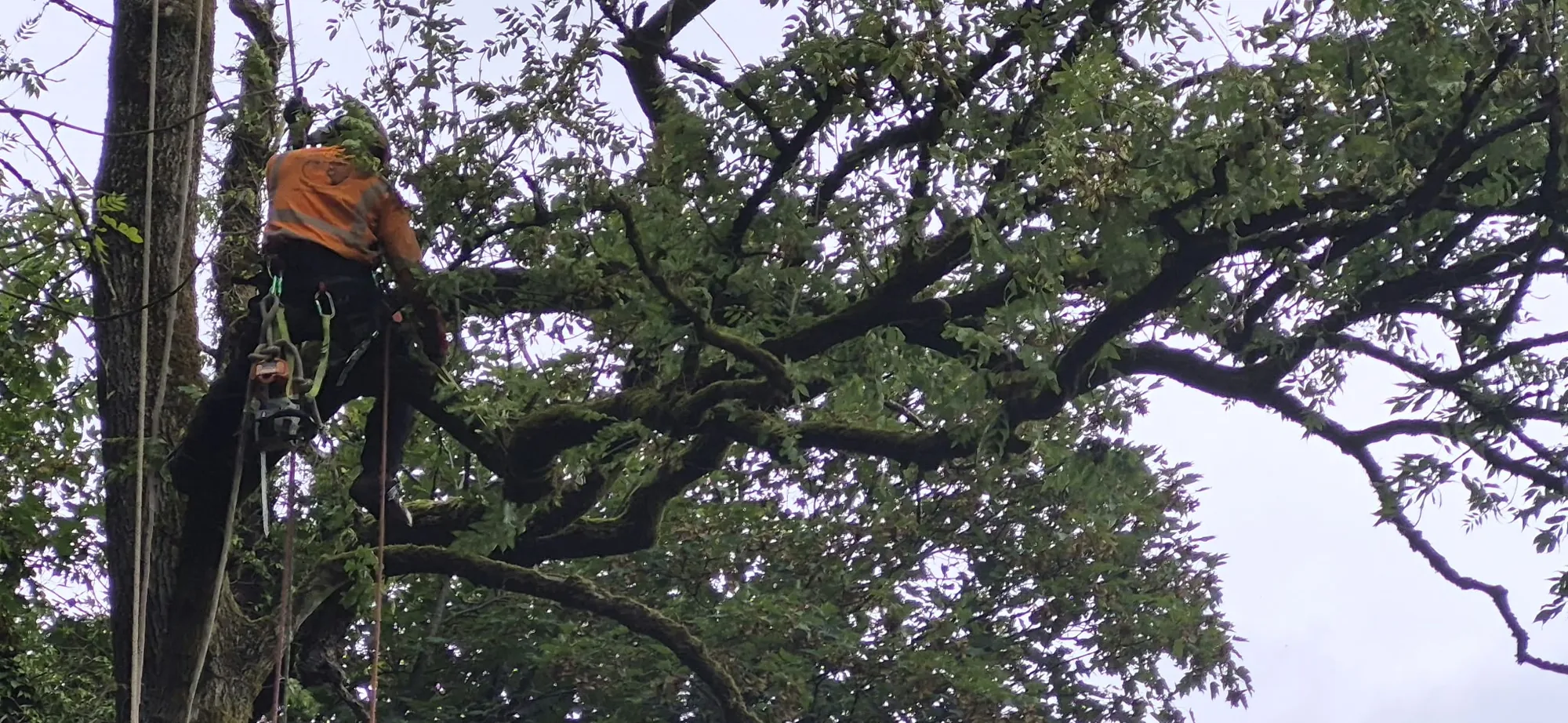
The best time to prune depends on the species, the type of work and the tree's condition. Many trees are pruned during their dormant winter period, while some are better worked in summer. Dead, damaged or dangerous branches can be removed at any time. Careful, well-timed pruning improves a tree's health, shape and safety.
Pruning is one of the most valuable things you can do for a tree, but it is also one of the easiest to get wrong. Cut at the right time, in the right way, and you improve a tree's health, shape and safety for years to come. Cut at the wrong time, or take off too much, and you can leave it stressed and open to disease. This guide explains when trees are best pruned across Buxton and the High Peak, how the timing changes from one species to the next, and which jobs can safely be done at any time of year.
Dormant and Summer Pruning
For most trees, the ideal window falls into one of two periods, and each has its purpose.
- Dormant pruning (late autumn to early spring): Once the leaves are down and the tree has stopped active growth, you can see its structure clearly and the tree is under far less stress. Wounds are less likely to bleed sap, and there is less risk of spreading disease or attracting pests. This is the go-to time for most structural work, crown reductions and thinning, which is why a lot of tree work is carried out over the winter months.
- Summer pruning (after the spring flush): Once new growth has hardened off, light summer pruning can be used to slow a tree down, remove unwanted shoots, or take out damaged limbs. Because you can see the tree in full leaf, it is also easier to judge shape and balance. Summer is often the better choice for certain fruit trees and for species that would bleed heavily if cut in winter.
As a rule of thumb, the dormant season suits most larger, structural jobs, while summer suits lighter, corrective work. The right call always depends on the individual tree, which is why we assess each one before we start.
Different Trees, Different Timing
There is no single date that works for every tree. The species matters a great deal, and getting it wrong can do real harm.
- Trees that bleed sap: Birch, maple, walnut and a few others push sap strongly in late winter and early spring. Pruning them then can leave them weeping for weeks. These are usually better pruned in mid to late summer when the flow has settled.
- Trees prone to disease: Some species should only be pruned at particular times to reduce infection risk. Plum, cherry and other stone fruits, for example, are best pruned in summer to lower the chance of silver leaf disease. Certain elms are restricted to specific windows to limit the spread of Dutch elm disease.
- Flowering trees and shrubs: Timing here also affects next year's display. Those that flower on old wood are usually pruned soon after flowering, while those that flower on new growth can be pruned in late winter.
- Most common garden and boundary trees: Oak, ash, beech and similar are generally happy to be pruned in the dormant season, with dead or dangerous wood taken out whenever it appears.
If you are not sure what you are dealing with, that is exactly the kind of thing we can tell you when we look at the tree. Correct timing by species is one of the biggest differences between good tree work and work that stores up problems.
Not Sure When Your Tree Should Be Pruned?
Buxton Tree Care can assess your trees and advise on the right timing and the right work. Fill in our quick form and we'll get back to you fast with a free, no-obligation quote.
Request a Free QuoteDead and Dangerous Wood: Any Time of Year
While most shaping and reduction work is best kept to the right season, safety never waits for the calendar. Dead, damaged, diseased or dangerous branches can and should be removed as soon as they are spotted, whatever the time of year.
- Dead wood: Dead branches will eventually fall. Over a path, driveway, building or seating area, that is a real hazard and should be dealt with promptly.
- Storm damage: After high winds, cracked, split or hanging limbs can be left unstable. These need removing quickly and safely before they come down on their own.
- Diseased or crossing branches: Removing diseased material and branches that rub against each other helps protect the rest of the tree, and it is better done sooner than left to spread.
The key point is simple: cosmetic and structural pruning can wait for the right window, but anything that poses a risk to people or property is dealt with straight away.
Signs Your Tree Needs Pruning
Trees often tell you when they need attention. Look out for these signs around your garden.
- Dead or bare branches: Limbs with no leaves in the growing season, or bark that is flaking and falling away, usually mean dead wood that should come out.
- Crossing or rubbing branches: Where branches grow into one another, the constant rubbing wears through the bark and creates entry points for disease.
- An overgrown, heavy canopy: A dense, crowded crown blocks light and air, can make the tree top-heavy, and often needs thinning or reducing.
- Branches too close to buildings or wires: Growth touching a roof, blocking a window, or reaching towards overhead lines needs managing before it causes damage.
- Low limbs over paths and drives: Branches hanging low over where people walk or park should be lifted for clearance and safety.
- Signs of weakness or decay: Fungus at the base, cracks, or a lean that has changed are all reasons to have a tree looked at by a professional.
Why Timing and Technique Matter
Good pruning is about far more than cutting branches off. Done correctly, it benefits a tree. Done badly, it harms it.
- Right cut, right place: Cuts should be made just outside the branch collar, the slightly swollen area where a branch meets the trunk. This is where the tree seals wounds most effectively. Cutting too flush, or leaving a long stub, both slow healing and invite decay.
- Not too much at once: Removing too much foliage in one go starves the tree of energy and can trigger a mass of weak, unruly regrowth. Sensible pruning takes only what is needed and keeps the tree balanced.
- No topping: Cutting a tree back to stubs, known as topping, is one of the most damaging things you can do. It creates weak, fast growth, large open wounds and long-term decay. Proper crown reduction keeps the tree's natural shape and protects its health.
- Timing protects healing: Pruning at the right time, when the tree can seal its wounds and pests and diseases are least active, gives it the best chance to recover cleanly.
This is why we always work with the long-term health of the tree in mind, and why we give honest advice on what a tree actually needs rather than more work than it does.
When to Call a Professional
Light pruning of small, easily reached shrubs is well within reach of most gardeners. But there is a point where the job is better left to a tree surgeon.
- Anything at height: Work that needs a ladder, climbing or being off the ground is where most accidents happen. It calls for proper equipment, training and rigging.
- Large limbs and mature trees: Heavy branches need to be cut and lowered in a controlled way so they do not damage the tree, the garden or anyone nearby.
- Near power lines or buildings: Any work close to overhead wires or structures needs planning and experience to do safely.
- Protected trees: Some trees are covered by a Tree Preservation Order or sit in a conservation area, which may require permission from the council before work starts. We can advise you on this.
- When you simply are not sure: If you cannot tell what work a tree needs, or when it should be done, a professional assessment saves you from guessing and getting it wrong.
Buxton Tree Care carries out safe, considered pruning across Buxton and the High Peak, and every job comes with a free quote and honest advice on timing.
Frequently Asked Questions
For most trees, the dormant season from late autumn to early spring is ideal. The leaves are down so the structure is clear, the tree is under less stress, and wounds are less likely to bleed or attract disease. That said, some species are better pruned in summer, so the right timing depends on the individual tree.
Yes. Light summer pruning is useful for slowing a tree down, removing unwanted shoots and taking out damaged limbs, and it lets you judge shape in full leaf. Some trees, such as plum and cherry and species that bleed sap heavily, are actually best pruned in summer rather than winter.
No. Dead, damaged, diseased or dangerous branches can be removed at any time of year. Safety does not wait for the right season, so anything that poses a risk to people or property should be dealt with as soon as it is spotted.
It can. Pruning some species at the wrong time can leave them bleeding sap, more open to disease, or weakened. Removing too much foliage or cutting incorrectly causes problems whatever the season. This is why pruning is best done carefully, at the right time for that species, and with the long-term health of the tree in mind.
Common signs include dead or bare branches, limbs that cross and rub, an overgrown or top-heavy canopy, growth touching buildings or overhead wires, and low branches over paths and drives. Fungus at the base, cracks or a new lean are all reasons to have the tree checked by a professional.
Yes. We provide free, no-obligation quotes for pruning and all our tree work across Buxton and the High Peak. Send a few details or some photos through our form and we will arrange to assess the tree and give you a clear price along with honest advice on the right timing.